
Trends in the Use of GPS Tracking for Industrial Machinery
In an era where industrial and construction businesses compete on speed, accuracy, and cost control, GPS tracking for machinery has become an essential tool that helps businesses manage their assets more efficiently. It can be used with excavators, cranes, loaders, forklifts, trucks, and various types of heavy machinery.
In the past, GPS systems were mainly used to track the location of vehicles or machinery. Today, the technology has advanced significantly, allowing businesses to monitor real-time usage data, track operating hours, receive alerts for unauthorized movement, and systematically plan maintenance.
1. Real-Time Machinery Tracking Is Becoming the New Standard
One of the key trends in the industrial use of GPS is real-time machinery location tracking. Businesses can instantly check where each machine is located, whether it is currently operating, and whether it is being used within the designated area.
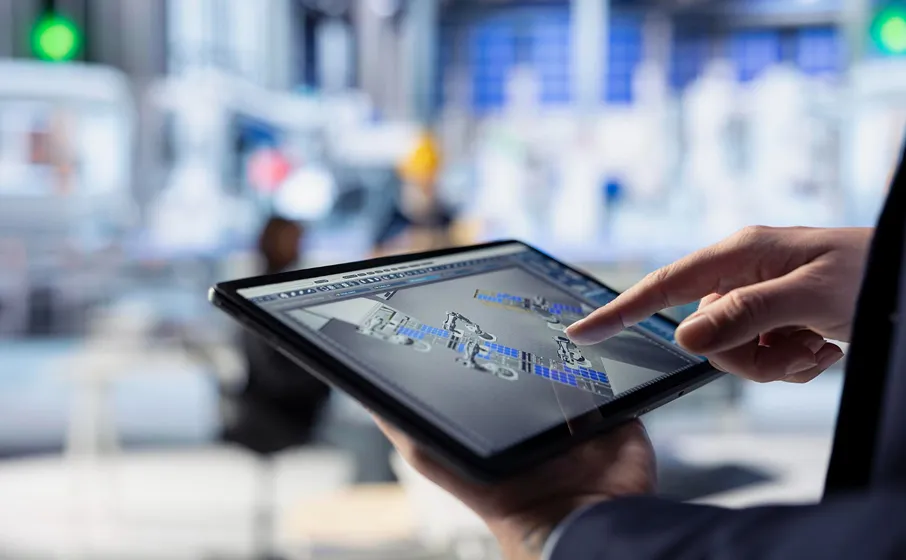
This system helps simplify the management of machinery across multiple locations, particularly for construction contractors, mining companies, logistics businesses, factories, and businesses with multiple job sites. Managers can view an overview of all assets from a single screen.
2. Reducing the Risk of Machinery Theft or Unauthorized Use
Industrial machinery represents a significant investment. If machinery is lost, moved without authorization, or used outside designated areas, it can result in substantial financial losses.
GPS machinery tracking helps improve security through features such as alerts when machinery leaves a designated area, commonly known as a Geofence. The system can also send notifications when an engine is started, machinery is moved, or equipment is operated during unauthorized hours, allowing business owners to respond to unusual activities more quickly.
3. Analyzing Operating Hours and Machinery Usage
Another important benefit of GPS machinery tracking is the ability to record the actual operating hours of each machine. This information helps businesses understand how frequently each machine is being used, identify equipment that may be overused, and detect machinery that remains idle or underutilized.
With clear and accurate data, businesses can plan machinery usage more effectively, reduce rental costs, avoid unnecessary equipment purchases, and maximize the value of existing assets.

4. Supporting Preventive Maintenance Planning
The use of GPS technology in the industrial sector is no longer limited to location tracking. Modern systems can also connect with machinery operating data, including engine hours, operating duration, idle time, and equipment performance.
This information enables businesses to plan preventive maintenance more effectively and reduce the risk of unexpected machinery breakdowns during operations, which can cause project delays, additional expenses, and disruptions to delivery schedules.
5. Using Data to Improve Efficiency and Reduce Costs
GPS data enables businesses to make decisions based on actual information rather than assumptions. For example, businesses can analyze machinery movement routes, monitor operating hours, compare usage across different job sites, and evaluate the cost-effectiveness of each machine.
By organizing and analyzing this information systematically, businesses can reduce unnecessary expenses such as fuel costs, labor costs, machinery rental fees, losses caused by idle equipment, and emergency repair costs.
6. Integration with IoT and Management Systems
In the future, GPS machinery tracking systems will become increasingly integrated with IoT (Internet of Things) technology, enabling machinery to automatically transmit data to centralized management systems. This may include machinery status, location, operating hours, and various alerts.
This integration allows businesses to manage machinery comprehensively, from tracking and maintenance to work planning, cost analysis, and long-term performance evaluation.

Conclusion
The use of GPS tracking for industrial machinery continues to grow as businesses seek greater control, improved security, lower operating costs, and more efficient machinery management.
For businesses that operate multiple machines or work across several locations, installing GPS tracking systems for machinery can be a valuable long-term investment. It helps maximize asset utilization and represents an important step toward truly digital industrial management.