
Development and Innovation in GPS Tracking Systems
Today, GPS tracking systems are no longer simply devices used to identify locations. They have evolved into comprehensive data management systems that enable businesses to track, monitor, analyze, and plan their operations more efficiently, particularly in transportation, logistics, construction, industrial machinery, and asset management.
In the past, users could only view the location of vehicles or assets on a map. Today, GPS systems have evolved to integrate with other technologies such as IoT, sensors, AI, and automated reporting systems. This provides more detailed information that can be used to support better business decisions.
More Accurate Real-Time Tracking
One of the key innovations in GPS systems is highly accurate real-time location tracking. Users can instantly monitor the location of vehicles, machinery, or assets through computers, tablets, or smartphones.
This technology enables businesses to monitor operations more closely, reduce the risk of loss, unauthorized use outside designated areas, or unauthorized movement. It also helps improve coordination between field teams and office staff.
Integration with IoT and Smart Sensors
Modern GPS technology can work together with IoT devices and various sensors, such as engine ignition sensors, fuel level sensors, temperature sensors, and door open/close sensors.
These integrations allow GPS systems to provide more than just location information. They can also display operating status, usage behavior, fuel levels, and environmental conditions surrounding goods or machinery. This enables businesses to improve quality control and reduce potential damage or losses.
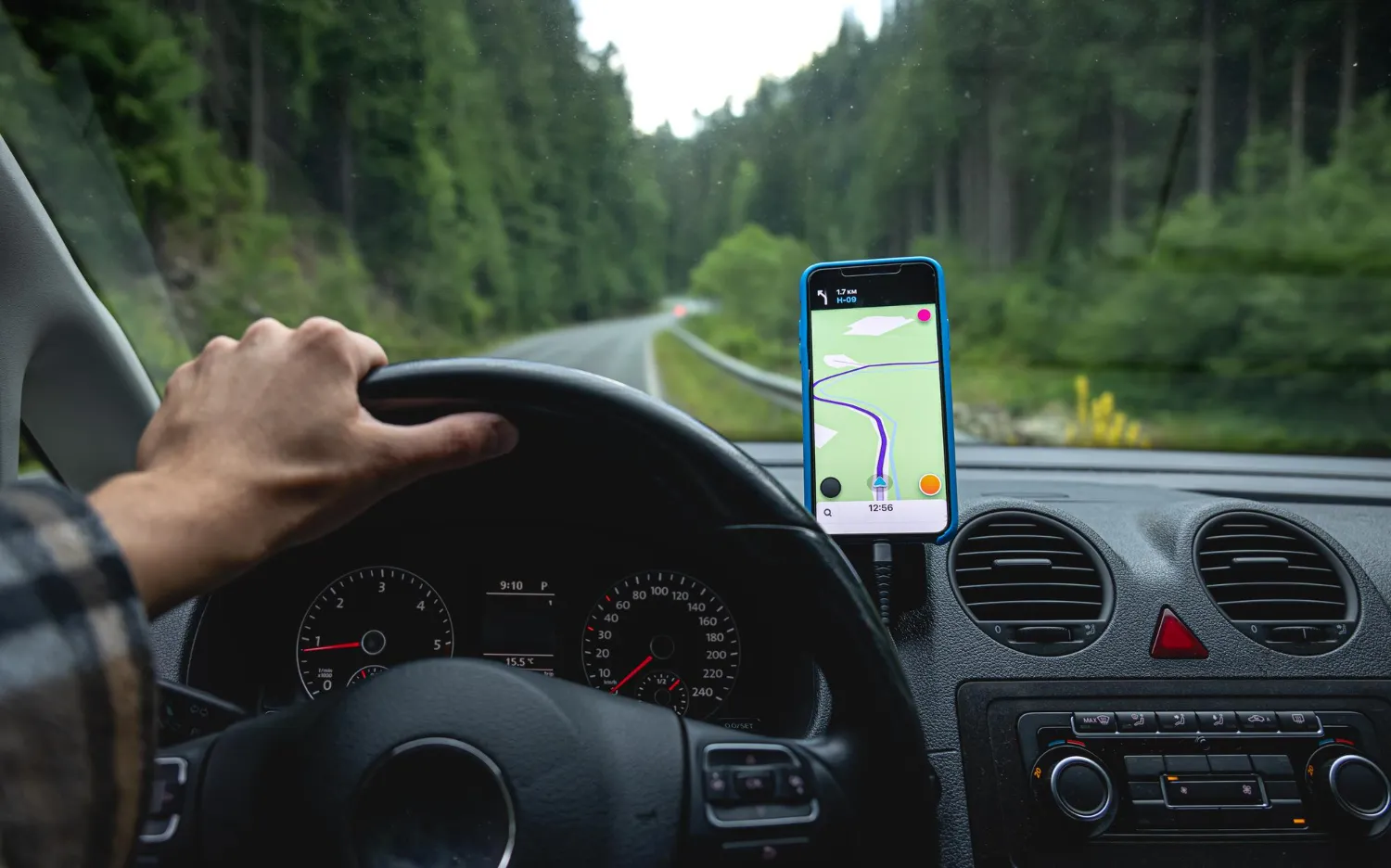
Automated Alerts for Enhanced Safety
Modern GPS tracking systems often include automated alert features, such as notifications when a vehicle leaves a designated area, operates outside permitted hours, exceeds the speed limit, or when machinery is moved unexpectedly.
These features allow system administrators to quickly identify important events, reduce the risk of accidents, theft, or improper use, and respond to problems in a timely manner.
Data Analytics to Improve Business Efficiency
Another significant development in GPS systems is the ability to analyze collected data for management purposes. This includes analyzing vehicle routes, operating times, machinery usage hours, driver behavior, and operational costs.
This information enables businesses to plan more accurately, reduce unnecessary expenses, improve operational efficiency, and allow management teams to make decisions based on actual data rather than assumptions.
Access Through Applications and Online Platforms
Today, GPS systems are designed to be more user-friendly through mobile applications and online platforms. Users can access information anytime and anywhere without having to be in the office. Vehicle locations, reports, and various alerts can be monitored instantly.
This convenience is particularly beneficial for businesses with large field teams or assets distributed across multiple locations, as it enables faster and more flexible management while improving responsiveness to different situations.
Future Trends in GPS Tracking Systems
In the future, GPS tracking systems are expected to become even smarter. They may increasingly integrate with AI to predict potential problems, analyze usage behavior, and recommend ways for businesses to reduce operating costs.
GPS systems are also expected to integrate with other business management platforms, such as transportation management systems, warehouse management systems, maintenance systems, and machinery management systems. This will enable businesses to access and manage all relevant information from a centralized platform.

Conclusion
The development and innovation of GPS tracking systems have transformed GPS technology from a simple location-tracking tool into an important asset and data management solution for businesses.
From real-time tracking and IoT integration to automated alerts and data analytics, these technologies help businesses improve safety, reduce costs, and manage their operations more efficiently and systematically.